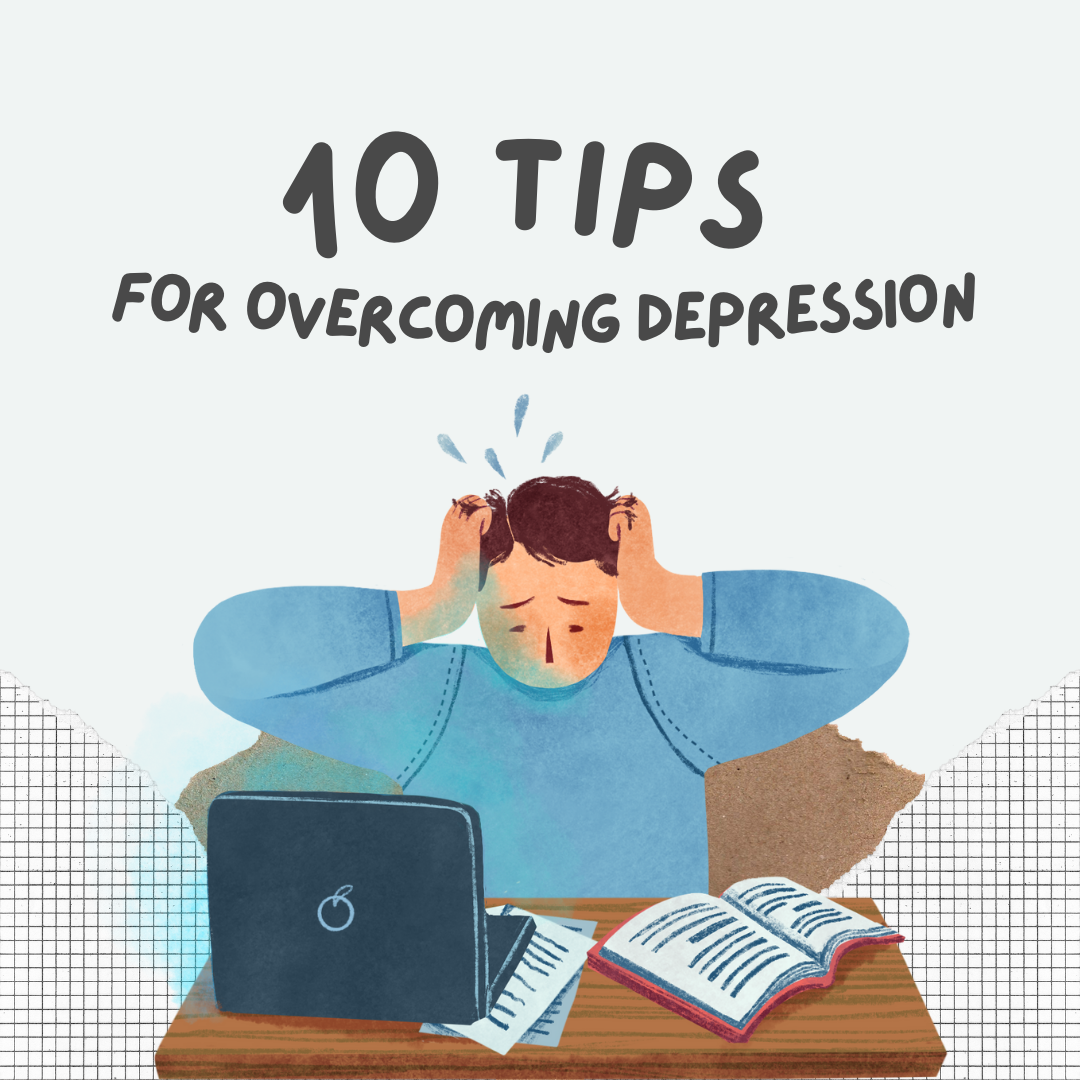
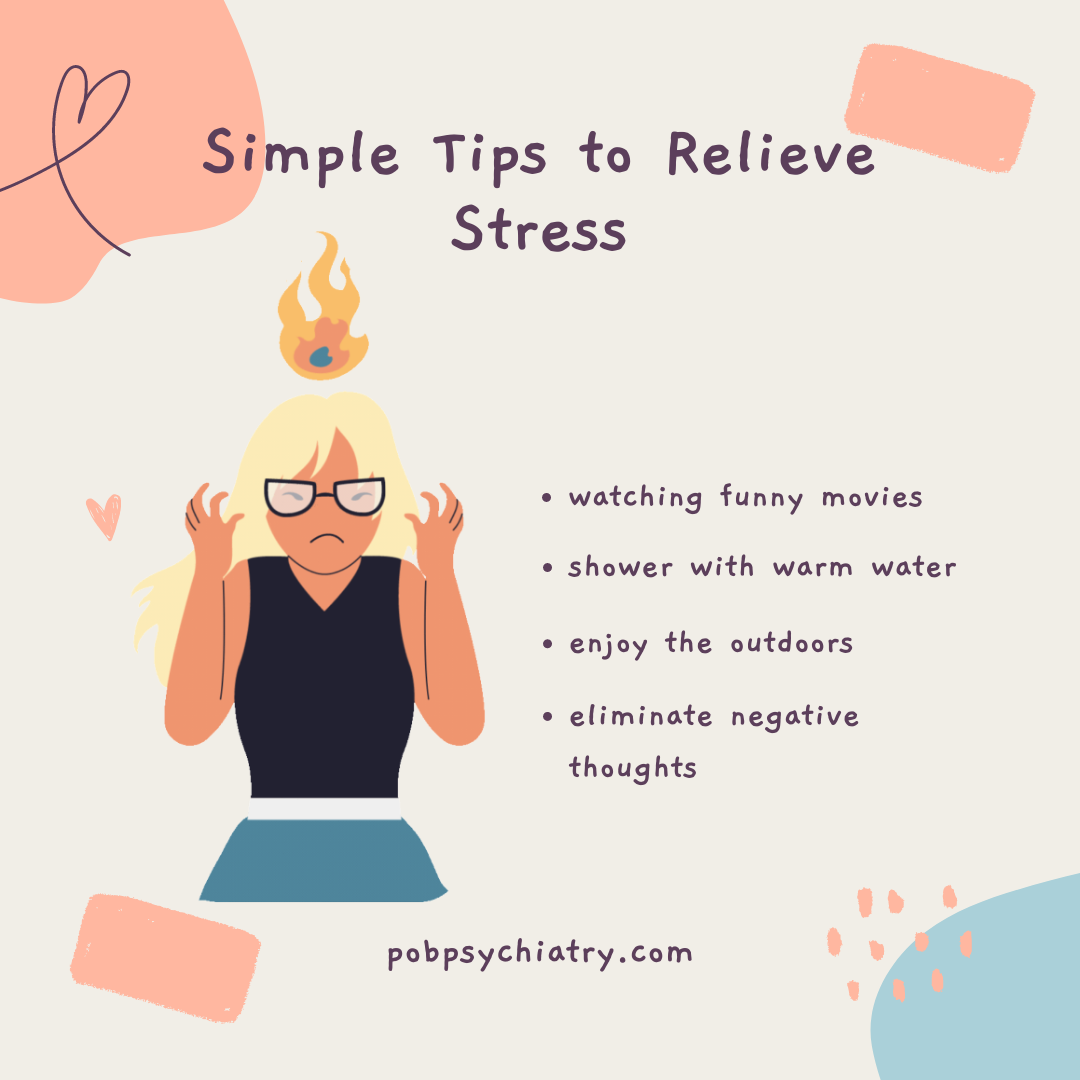
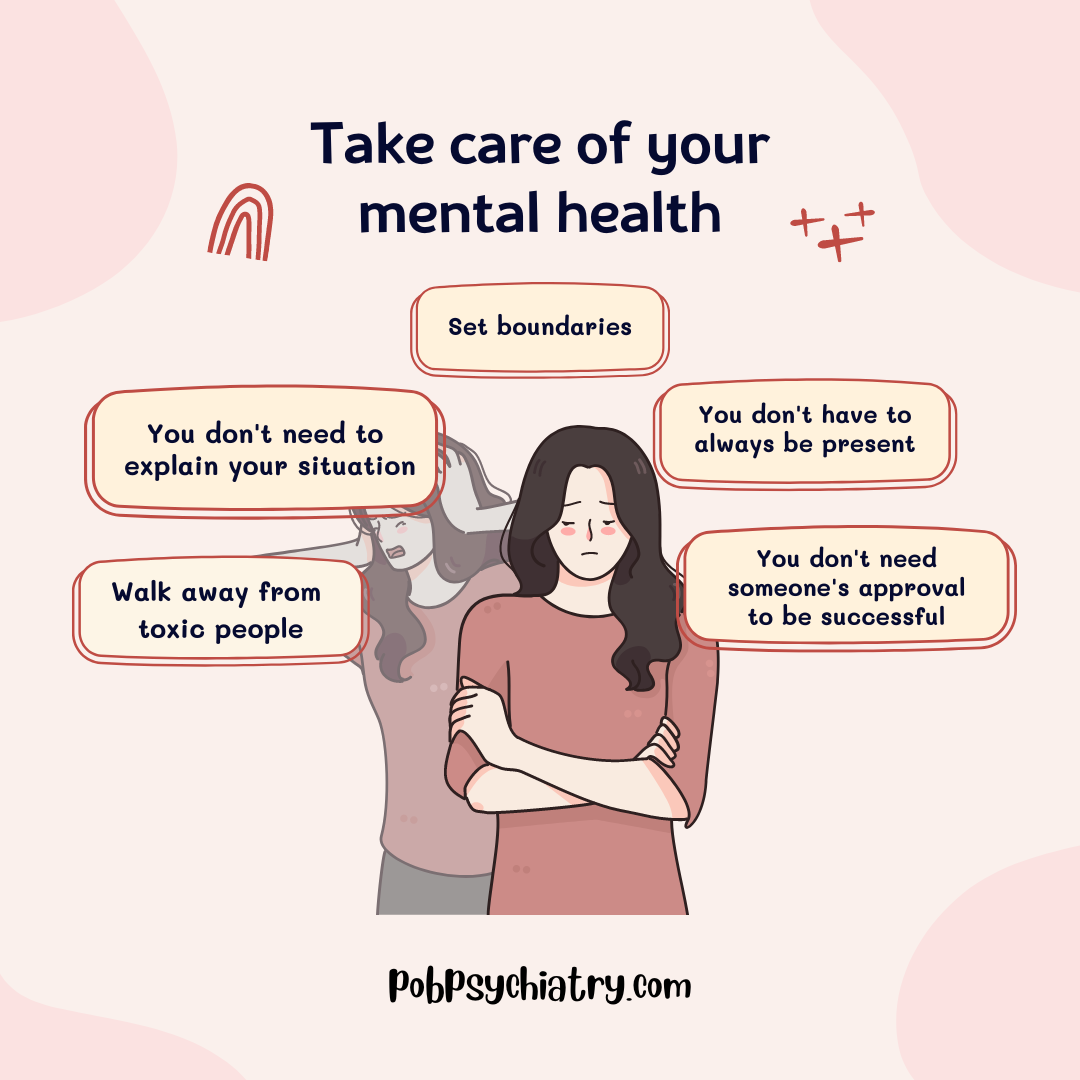
As the days get shorter and the sunsets earlier, many people will experience Seasonal Affective Disorder (SAD), which brings on symptoms of depression. What can you do to feel better?
Dr. Fumi Stephanie Hancock, PsychDNP, is the CEO of POB Psychiatric Health and a bestselling author of 24 self-help books. Below are her tips to help manage SAD.
#CBS-#GoodMorningArizona Interviews #DrFumiPsychDNP on #SimoneBiles & #MentalHealth. #AZfamily
With the advent of the #DELTA #COVID19 raging throughout the world, there is an increase in anxiety, panic, and other mood disorders. Dr. Fumi Stephanie Hancock, Your #Compassionate #Traumacare Expert, Board Certified Psychiatric Mental Health Dr. of Nurse Practice, is interviewed on CBS – Good Morning Arizona (AZFamily) to discuss #Olympian Simone Biles (#Tokyo2021), her Mental Health, and how we can all learn #lifelessons from her bravery.
Are you suffering from Persistent Depression, and do you live in the Phoenix, SunCity, Goodyear, Surprise Areas? Find out How we can help you with #TMS: http://pobpsychiatry-tms.com/
On this episode of the Success Podcast, Dr. Fumi on her inspirational work in business, health and community service was interviewed. This is an episode you don’t want to miss! https://www.icastfm.com/success/episode/78ef7c6d/dr-princess-fumi-an-african-princess-inspiring-all
DR. PRINCESS FUMI: CHANGING THE WORLD THROUGH STORYTELLING
Dr. Princess Fumi Stephanie, RN, DNP, who’s an African princess living in the diaspora, would no doubt be amongst the list of extraordinary women who have graced this earth. Dr. Fumi has touch lives in several ways, ranging from her amazing books, her lifestyle, her philanthropic works in Africa, her talk shows, to mention a few. She is a bestselling author, a NAFCA African Oscar and Indiefest Film Award Winner, an African Heritage Leadership Recipient, a TV personality, an international transformation interventionist and philanthropist, Psych-mental health nurse practitioner, TEDxTalk international speaker, the president of Princess of Suburbia (which is currently aired on ROKU and Comcast, Michigan), etc.
The impressive professional career of Princess Fumi has spanned nursing, women’s and behavioral health care, organizational leadership, communications, writing best-selling novels and award-winning screenplays, film production, ghostwriting autobiographies, transformational life coaching, and mentoring. Her entire life is a source of inspiration to not just women whose dreams have been suppressed by the norms of our society and gender inequality, but also everyone who wish to follow her footsteps.
While some people call her a social changer; others refer to her as a transformation catalyst whose aim is to extend the hand and heart of social justice. Due to her wordsmith prowess, and given the fact that she is a bestselling author, people also regard her as a story weaver who aims to merge the gap between Africa and America.
Dr. Hancock’s love for the literary arts and behavioral health sciences has forced her to strike an equilibrium between the two disciplines, via her TV/ radio shows, documentaries, feature films, books, including her wellness presentations. Presently, the well-known writer has about 24 books to her credit, with four of those 24 books becoming bestsellers. The Nigerian princess is indeed in love with her pen as she plans on releasing other books regarding personal and success development. Vision Torch, which was recently written by this bestselling author, has gained prominence in several organizations, ministries, and colleges, including countries such as the USA, Pakistan, etc.
When Dr. Hancock isn’t scribbling down an idea on a book or making movies, she is an in-demand international public speaker, (indoctrinated into the National speakers Bureau-USA), with appealing topics in fields such as health, wellness, self-help development, personal growth, and success. For two years, Princess Fumi worked as a columnist at The New American Times, Tennessee, where she wrote an article on “Mental Health in the Media,” which has been featured in several newspapers like the Tennessean Tribune, the Tennessean, etc.
Aside from being blessed with a supportive husband and four grown children, one of her greatest achievements is her philanthropic work in Africa ( The Princess of Suburbia foundation). Here is a woman who aims to make the world a better place by inspiring, motivating, empowering, and equipping others, by helping them to heal from past traumas, get on track with their true calling, and live a life of fulfillment.
I DID NOT CHOOSE NURSING BUT NURSING CHOSE ME! – My #LifeStory
As we celebrate #2020 #YearofNurses, it is my pledge to help our #Millenials, #GenZ maneuver, their way through #nursing. Many have different reasons for being who they are. I will be lying if I said I fell into #Nursing. As an #African #Princess, I have always found myself caring at a tender age. I just didn’t know it was nursing. When I would act a role or write a play when in grade school, it was always about me caring for someone. As a 14x #BestsellingAuthor, #NAFCA #AfricanOscar and #Indiefest #Film award winner, I wrote #lifestories which showed characters we are inclined to care for.
Today, as a #BoardCertified #Psychiatric #MentalHealth Dr. of #NursePractice, I serve the most vulnerable population on-site and via telepsychiatry. I am proud to be a #NURSE.
Watch this and be inspired by my story…. Why would an African Princess choose nursing as a career?
Hi, I’m Dr. Princess Fumi Hancock, PsychDNP. I am an African Princess Living in Diaspora. Your International Board Certified (PMHNP-BC), Psychiatric Mental Health Dr. of Nurse Practice, Bestselling Author/Publisher, TEDxTALK Speaker, Award-winning Online TV/Podcast Host, On-Air Mental Health Expert: As Seen On Bloom Today TV, CBN, Faith TV, Ben TV, NTA Int’l., Love World TV, & Award-winning Filmmaker.
Heaven is rejoicing… I am rejoicing… As we start our broadcast back up… “DR. FUMI: The Doctor of Nurse Practice Show”~ Our host and LifeRehab™ Ambassador interviews Pastor & Technocrat: Dr. Pastor Sandra Jesus
Spirituality & Mental Wellness? Do these two merges and where? How does on impact the other and how do we apply it to our lives today?
For those of us who are new to coaching, this blog article is all about connecting with your customer. Sometimes it’s easy to build a relationship, sometimes it’s hard— but it is a crucial part of your work. You must be able to connect with the people who hire you. Let’s look at some steps that will help you build up your clients. It’s not as hard as you may think.
Warn Them, Inform Them… Let Them Know What to Expect
When you meet with a client for the first time, it would be advisable to explain to them what they’re expected to be able to do. Give them some notice. You can turn an advance warning into a relationship-building opportunity. Ask them about things they’ve wanted to do, what they’ve been trying to achieve, and actually show interest in your clients.
Take Responsibility
You’ve made an error? Turned up late to a meeting? Accepting full responsibility, while recognizing the consequences of the error, shows that you’re prepared to take it like a grown-up. People respect that.
Tone Down Your Voice When Giving Bad News
Literally. Lower the tone of your voice and your rate of speaking. Generally, when people get excited or emotional about ideas they tend to raise their voice pitch and pace. When you’re giving bad news or feedback that could be construed negatively or critically, you want to give the impression that you are thinking clearly, logically and reasonably – not emotionally – and certainly not irrationally.
ALWAYS Begin with the Good News
When you have both good news and bad, start with the good. When people hear bad news, they have an internal stress reaction that causes them to tune-out other information. Try to ensure that the client fully comprehends and appreciates the entire message by making sure you give the good news first. Always give them something to feel good about.
Express Those Negatives as Positives
Rather than saying, “We can’t meet until Tuesday,” instead try, “We can meet up as soon as Tuesday.” It’s the same information, but wording it positively enhances your message. It makes the client feel important.
Try to Remind Them of the Bigger Picture
Sometimes clients don’t realize that the ‘bad news’ is in their own best interest. Try to always frame things inside the bigger picture. Yes, this is negative today—but how does it change the plan positively? Don’t let them go away feeling as though they failed.
Follow-up! Always Follow-up!
With some clients, a well-timed phone call after bad news goes a long way in proving to the client that you’ve gone the extra mile. “I just wanted to check with you to see how things are going with that discussion we had…” That raises the perceived value of your service without spending more money. Try it. People like to feel important.
YOUR VISION TORCH Series Achieve Your Dreams, Ignite Your Vision, & Re-engineer Your Life Purpose
Seeing several clients each day can sometimes spin your head and make you lose focus. This week, I’d like to talk about a checklist I keep with me each time I talk to coaching clients. This list helps me to keep focused and allows me to understand what I need to do to help my clients. I think this list could be useful for you, too. Print it off—and use it daily. It will really help you get down to the nitty-gritty of what is important.
Build a Relationship of Mutual Trust
The foundation of any coaching relationship is rooted in your day-to-day relationship with your client. Without some degree of trust, conducting an effective coaching meeting is impossible. Try to make sure the relationship is one of working together, rather than working apart.
Open the Meeting and Take Control
In opening a coaching meeting, it’s important for you to clarify, in a nonevaluative, non-accusatory way, the specific reason the meeting was arranged. The key to this step is to restate — in a friendly, non-judgmental manner — the meeting purpose that was first set when the appointment was scheduled.
Find Common Ground and Agreement
Probably the most critical step in the coaching meeting process is getting your client to agree verbally that a performance issue exists. Overlooking or avoiding the performance issue because you assume the person understands its significance is a typical mistake of coaches. To persuade a client that a performance issue exists, a coach must be able to define the nature of the issue and get the client to recognize the consequences of not changing his or her behavior. To do this, you must specify the behavior and clarify the consequences.
Explore All the Alternatives
Try to explore ways the issue can be improved or corrected by encouraging the client to identify alternative solutions. Avoid jumping in with your own alternatives, unless the client is unable to think of any. Push for specific alternatives and not generalizations. Your goal in this step is not to choose an alternative, which is the next step, but to maximize the number of choices for the client to consider and to discuss their advantages and disadvantages.
Look for Commitment and Action
The next step is to help the client choose an alternative. Don’t make the choice for the client. To accomplish this step, the coach must be sure to get a verbal commitment from the client regarding what action will be taken and when it will be taken. Be sure to support the client’s choice and always offer praise.
Make Sure You Handle Those Ever-Present Excuses
Client excuses may occur at any point during the coaching meeting. To handle excuses, rephrase the point by taking a comment or statement that was perceived by the client to be blaming or accusatory and recast it as an encouragement for the client to examine his or her behavior. Respond empathically to show support for the clients’ situation and communicate an understanding of both the content and feeling of the client’s comment.
Provide Crucial Feedback
Effective coaches understand the value and importance of giving continual performance feedback to their people, both positive and corrective.
YOUR VISION TORCH Series Achieve Your Dreams, Ignite Your Vision, & Re-engineer Your Life Purpose
The only thing normally holding many people back—and away from their dreams—is themselves. They suffer from terrible fears when they try to better their lives. Inner fears like frustration, failure and lack of confidence allow some to be talked out of success by their own demons. These fears control the lives of many people but can be conquered. This new series of blog articles is all about fears that will hold you back—and how to conquer them. This week we are going to take a look at Hypnophobia, a crippling fear that can stop you reaching your full potential, and can even stop you from living a normal, everyday life.
Hypnophobia, clinophobia or somniphobia, as the condition is often called, is the irrational and excessive fear of sleep. It may result from a feeling of loss of control, or from repeating nightmares or anxiety over the loss of time that could be spent accomplishing tasks or maximizing leisure time instead of sleeping.
Recognizing Your Phobia
Hypnophobia, known as fear of sleep and fear of being hypnotized, can significantly impact the quality of life. It can cause panic attacks and is often defined as an abnormal, persistent and unwarranted fear of sleep or being hypnotized. Rapid breathing, shortness of breath, sweating, feelings of dread and nausea are all symptoms of hypnophobia. Every year, hypnophobia causes distress to countless people. Most hypnophobia therapies take months or years, and sometimes require the patient to be exposed repeatedly to their fear. Therefore, it makes the condition even worse.
Focus
Focusing on your mind can tell you a lot about your fears. The way you describe things that happen to yourself inside your own head can be very telling. What really scares you about sleep? Try to focus and discover what the problem is. Are you afraid of nightmares? Do you think you won’t wake up? Do you feel it’s wasted time? Once you know the problem, you can start to fix it.
Relax and Breathe
Try heading to bed with a book. Lie on your bed until you begin to get drowsy and linger in a state of drowsiness. You are not asleep, yet not awake. But is there anything scaring you? Try to take notice of the world around you while you are in that state. If you start to feel uncomfortable—open your eyes. You can leave at any time.
The Positive
Singing your favorite song, watching your favorite movie, spending time with your friends, family and loved ones can all put you in a positive frame of mind. Perhaps organize a sleepover with friends who will be at your side throughout the process of sleep. If you can’t do it alone, do it with others—that is, after all, what friends are for.
A Positive Spin
Waking up all refreshed, relaxed and happy can be the end result of sleep—you know that. Why don’t you try giving sleep a positive spin? Tell yourself all the reasons why you should enjoy sleep, and try to keep them in mind—sleep is an enjoyable thing. Just try telling yourself that it is.
YOUR VISION TORCH Series Achieve Your Dreams, Ignite Your Vision, & Re-engineer Your Life Purpose
“Do more, see more, feel more, achieve more… make Wednesday YOUR day for achievement!”
Have you ever wondered about the people who seem to zoom through their day and achieve everything they started out wanting to achieve? Have you ever wondered how they do it? I’m sure each of us knows someone who can get much more done in a day than we believe possible. The super filer, the busy typist, the amazing salesman. What gives those people such drive?
It really comes down to the need to meet goals. Some people have an inbuilt need to achieve everything straight away. But there are ways for you to also help yourself make more from your days. This week, we will be talking about increasing productivity during our days, so our evenings can be less stressful.
Make Notes
The most successful people in the world always carry a notepad in their pockets to make notes. Many of us use our computers or phones and make notes on the diaries we have there. But this doesn’t seem to cut it for many people—it’s better to write it down and refer to something that is real—a piece of paper.
Time Management
Those who are super achievers know that time is a finite thing. On a daily basis, we only have so much time to do things. That’s why it’s important for us to make the most from our time. Try timing your activities, multi-tasking or combining tasks. This will help you cut down on the time you are spending on an activity and will cut the number of things you have to do.
Relax…
Even during the most stressful day, successful people find the time to wind down. Even in the office, you can spare a few moments every day to take your mind off work, meditate for a few minutes or read the news. Relaxation is part of what makes us successful. We have to know when to turn on the standby button.
Colleagues Can Be Fun
Try to be as social as possible. The more social you are at work, the more you feel like part of the team. Try interacting with as many people as you possibly can—and make friends. Working with friends is much better than working with people you hardly know.
Wake Up, Gotta Get Out of Bed
What can really set back our days is being late for work. Once you are late for work, you can expect your day to become sluggish. Try heading to bed earlier, waking up earlier, watching the news, having a relaxing breakfast and then heading to work. There’s no reason to rush anything in your life—take it at its own pace!
YOUR VISION TORCH Series Achieve Your Dreams, Ignite Your Vision, & Re-engineer Your Life Purpose
The only thing normally holding many people back—and away from their dreams—is themselves. They suffer from terrible fears when they try to better their lives. Inner fears like frustration, failure and lack of confidence allow some to be talked out of success by their own demons. These fears control the lives of many people but can be conquered.
This new series of blog articles is all about fears that will hold you back—and how to conquer them. This week we are going to take a look at sociophobia, a crippling fear that can stop you reaching your full potential, and can even stop you from living a normal, everyday life.
Sociophobia is the fear of society or people. People with this phobia find it hard to even have or maintain friendships.
The origin of the word socio is Latin (meaning interpersonal relationships) and phobia is Greek (meaning fear). Sociophobia is considered to be a social phobia, which is discussed on the home page. Sociophobia is also known as anthropophobia and related to phobanthropy, which is a morbid dread of being around other people and of human society in general.
Recognizing Your Phobia
The symptoms of sociophobia can vary greatly by person depending on their level of fear. The symptoms typically include extreme anxiety, dread and anything associated with panic such as shortness of breath, rapid breathing, irregular heartbeat, excessive sweating, nausea, dry mouth, nausea, inability to articulate words or sentences, dry mouth and shaking. If you are finding you’re sweating with an increased heartbeat when in the presence of people, you may well be suffering from sociophobia.
Overcoming Your Phobia
Recognizing Negative Thoughts
The first step is to identify the automatic negative thoughts that underlie your fear of social situations. For example, if you’re worried about an upcoming work presentation, the underlying negative thought might be: “I’m going to blow it. Everyone will think I’m completely incompetent.”
Challenge Everything!
It helps to ask yourself questions about the negative thoughts: “Do I know for sure that I’m going to blow the presentation?” or “Even if I’m nervous, will people necessarily think I’m incompetent?” Through this logical evaluation of your negative thoughts, you can gradually replace them with more realistic and positive ways of looking at social situations that trigger your anxiety.
Feel No Fear
It can be incredibly frightening to think about why you feel and think the way you do about social situations, but understanding the reasons for your anxieties will help lessen their negative impact on your life.
Look Around You!
In order to reduce self-focus, pay attention to what is happening around you, rather than monitoring yourself or focusing on symptoms of anxiety in your body. Try looking at those around you, the sky, trees, plants or anything else that is going on in your vicinity. Focus on the world at large.
YOUR VISION TORCH Series Achieve Your Dreams, Ignite Your Vision, & Re-engineer Your Life Purpose