Mental health is a priority because it is essential to a person’s overall well-being and functioning. Good mental health allows people to cope with the daily stresses of life, work productively, and contribute to their communities. Poor mental health, on the other hand, can lead to a range of problems, such as difficulty in completing daily tasks, low productivity, and social isolation.
Untreated mental health issues can have serious consequences, including substance abuse, self-harm, and even suicide. Therefore, it is important to prioritize mental health and seek help if needed. This can include seeking support from friends and family, seeking therapy or counseling, and taking care of physical health through exercise and proper nutrition. By prioritizing mental health, individuals can lead happier, healthier, and more fulfilling lives.
New Year is a perfect time to start making a change for the better and leaving the past behind. We must say good bye to all negativities and look at the brighter sides of every situation. Sketch out your dreams and goals, and love yourself more this coming year!
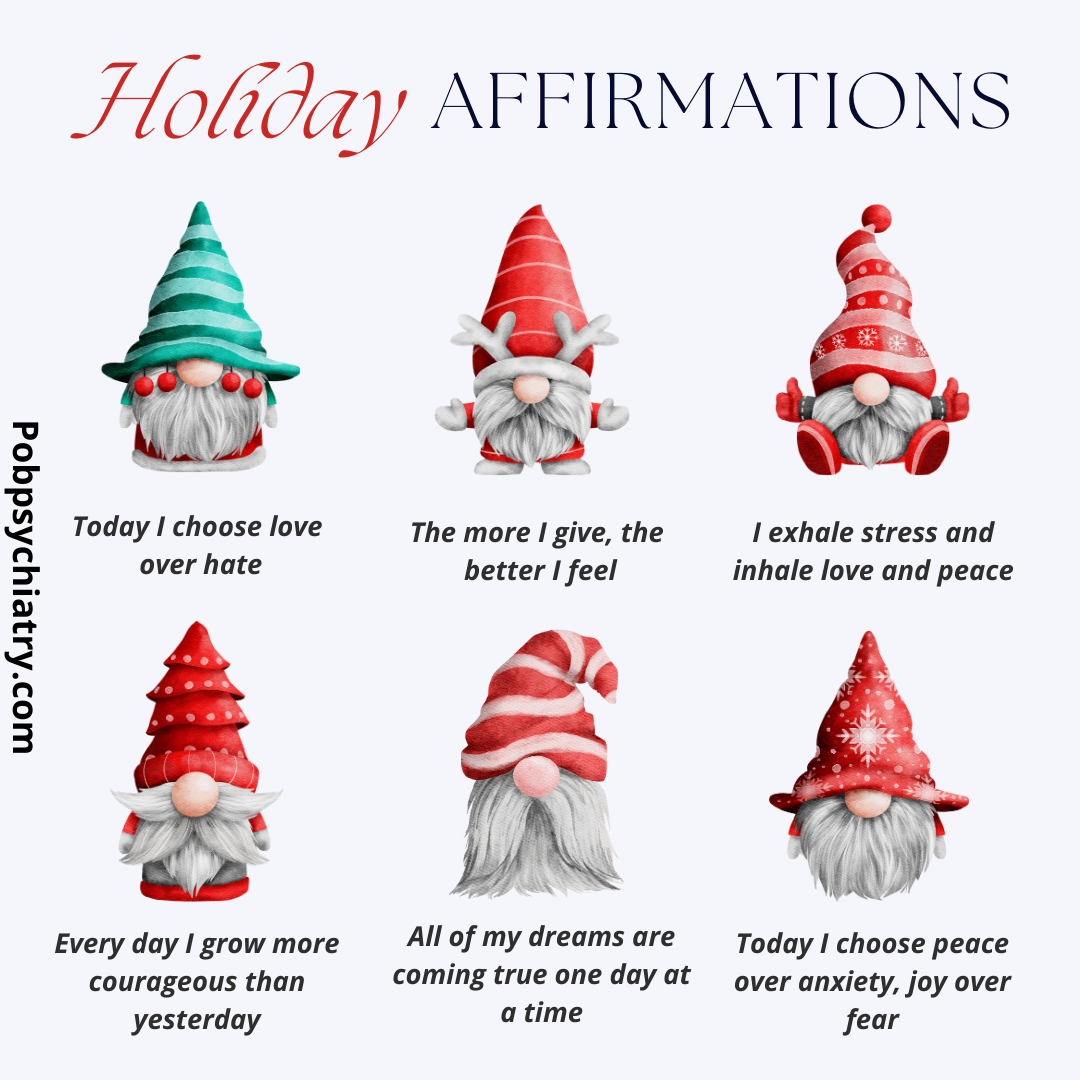
When you’re feeling down this holiday season, reading positive affirmations for holiday anxiety can help you get through it and allows you to boost your confidence. Because the holiday season can be lonely, this affirmation for holiday anxiety reminds you that you are worthy of love and acceptance but will not accept anything less. If that means being single or “alone,” so be it until you find what suits you.
Holiday season is an excellent time to let go of the past and remind yourself that what happened back then does not define who you are today. Prepare to put all that negativity behind you as the new year comes close. Allow it to go. It’s no longer there. It has passed.
Mental health is important. It affects almost every aspect of life and motivates our ability to communicate with friends, family, and even complete strangers. It also has an impact on our physical health, supporting our ability to continue with some routine activities like immune system and energy maintenance. How well we are able to manage stress and deal with particular difficulties can also be influenced by our mental health. Understanding why mental health matters are crucial.
To fully comprehend how your own mind functions, it’s essential to speak with mental health professionals. Knowing what to do next when you’re battling a disease like addiction can be challenging.
One is not only tethered to bed because of emotional turmoil. Chronic depression may lead to aches and pains, weight gain, and other physical symptoms.
2. Prepare breakfast.
According to research, depressed individuals frequently skip breakfast. Having breakfast each day serves as a protective protect oneself from depression. A nutritious breakfast provides a nutritional punch that can improve your mood and aid in the fight against depression, in addition to lowering the body’s cortisol levels.
3. Never miss a workout.
Exercise is as effective as antidepressants, according to some studies. And you don’t even need to work out hard; a simple 30-minute walk will do the trick to make your body release feel-good hormones.
4. Establish a sleep schedule.
Your sleep schedule can be disrupted by depression, but a better sleep schedule lowers your risk of depression.
5. Be aware of your thoughts.
Boxing one’s emotions is one of the most prevalent behaviors among those suffering from depression. They criticize their own unfavorable thoughts far too harshly.
6. Alter the cycle.
According to studies, people who experience depression have the propensity to repeat the same cycle of behaviors. This results in monotony. And causes the individual to feel trapped or confined. Breaking the cycle is one of the best ways to deal with this. Take up a new hobby or embark on an adventure. Try to follow your heart.
7. Contact your loved ones.
Depression and isolation are closely related to one another. According to research, people with active social lives have better physical health, are less likely to experience depression, and live longer than those with inactive social lives.
8. Enjoy the sun’s rays.
The best healer is nature. Get out of your house whenever you start to feel down and take a selfie in the sun. Light therapy is one of the primary treatments for depression in contemporary medicine.
9. Keep a journey journal.
Expressive journal writing is one of the best methods for managing your emotions. Journaling is a recommended therapeutic technique by mental health professionals for elevating mood and managing depression symptoms.
10. Get qualified assistance
If you have a mental health disorder, you must seek professional help immediately. Asking for assistance does not indicate weakness; it simply indicates that you are wise enough to make the appropriate decision. Like any other physical condition, depression is an actual condition. Your ability to control your thoughts is limited because of the way your hormones are acting.
ADHD is a disorder that alters people’s behavior. People with ADHD may appear restless, struggle to focus, and act impulsively.
The signs of ADHD are typically identified at a young age and may worsen as a child’s environment changes, such as when they start school. The majority of cases are discovered in kids under the age of 12, but occasionally it’s discovered later in childhood.
Sometimes people with ADHD are diagnosed as adults because they were not diagnosed when they were children. Although many adults who were diagnosed with ADHD when they were young continue to have issues, the symptoms of the condition typically get better as people age.
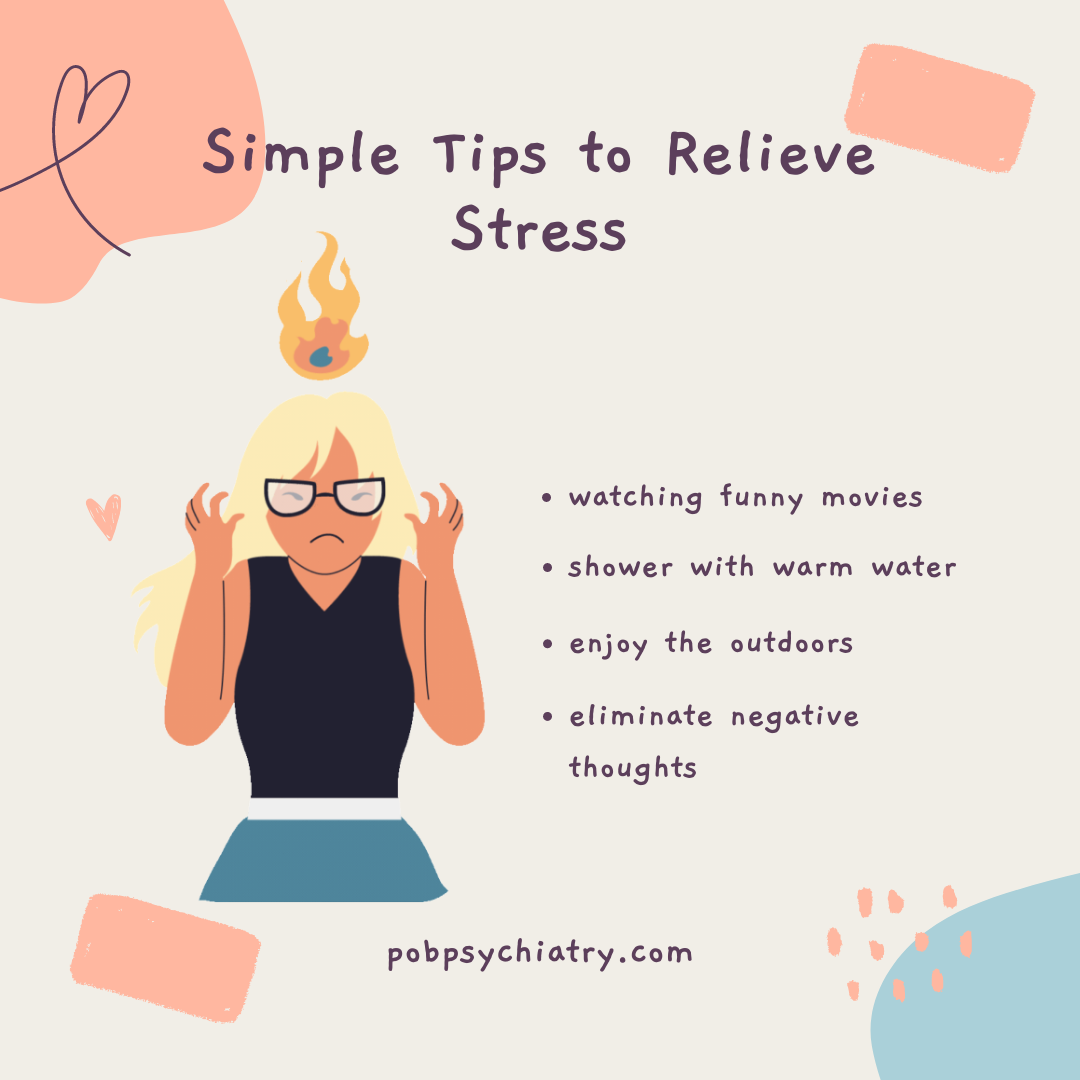
Even though stress is an inevitable part of life, you shouldn’t ignore it. Untreated stress can have serious negative effects on both physical and mental health. Many people experience stress on a daily basis. Everyday stresses, such as those related to work, family, health, and finances, can often lead to higher stress levels.
Additionally, a person’s susceptibility to stress is influenced by factors like genetics, the amount of social support they receive, their coping mechanisms, and their personality, so some people are more likely to experience stress than others.
The good news is that stress is typically controllable. Whether it’s family stress or work stress, you can lessen your stress with a little perseverance and a few helpful techniques that we listed in our post.
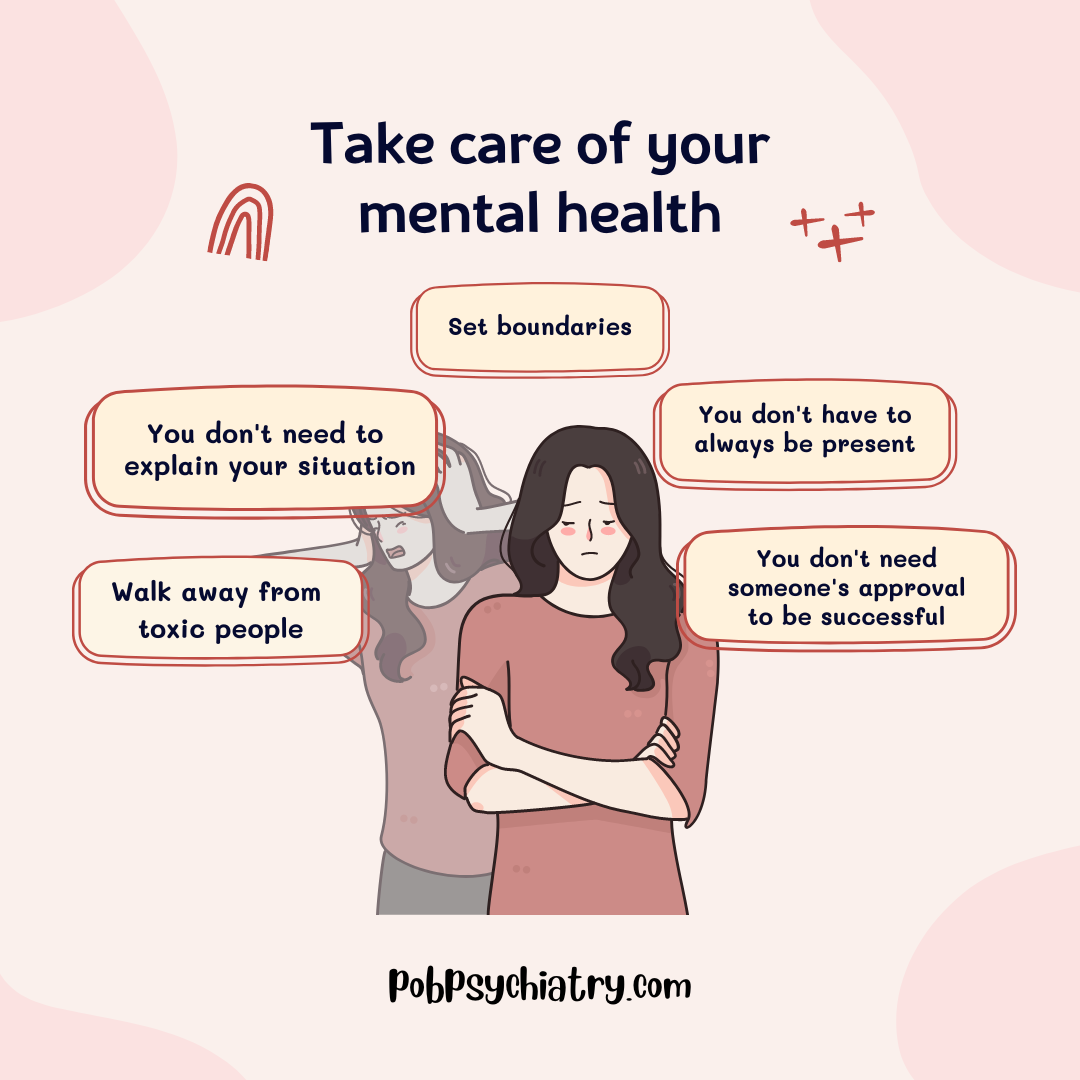
Mental, emotional, and social well-being are all included in mental health. It affects our emotions, thoughts, behaviors, decisions, and interactions with others. Don’t be uncaring when it comes to maintaining good mental health because doing so will help you make the most of life.
In addition to the significance of physical health, it is also becoming more acceptable to discuss and accept mental illness openly. You can take care of your mental health in a variety of ways. Getting regular exercise, maintaining a healthy diet, getting enough sleep, and spending time with friends and family are some easy steps to take. These things have a significant impact on your mental and emotional well-being.
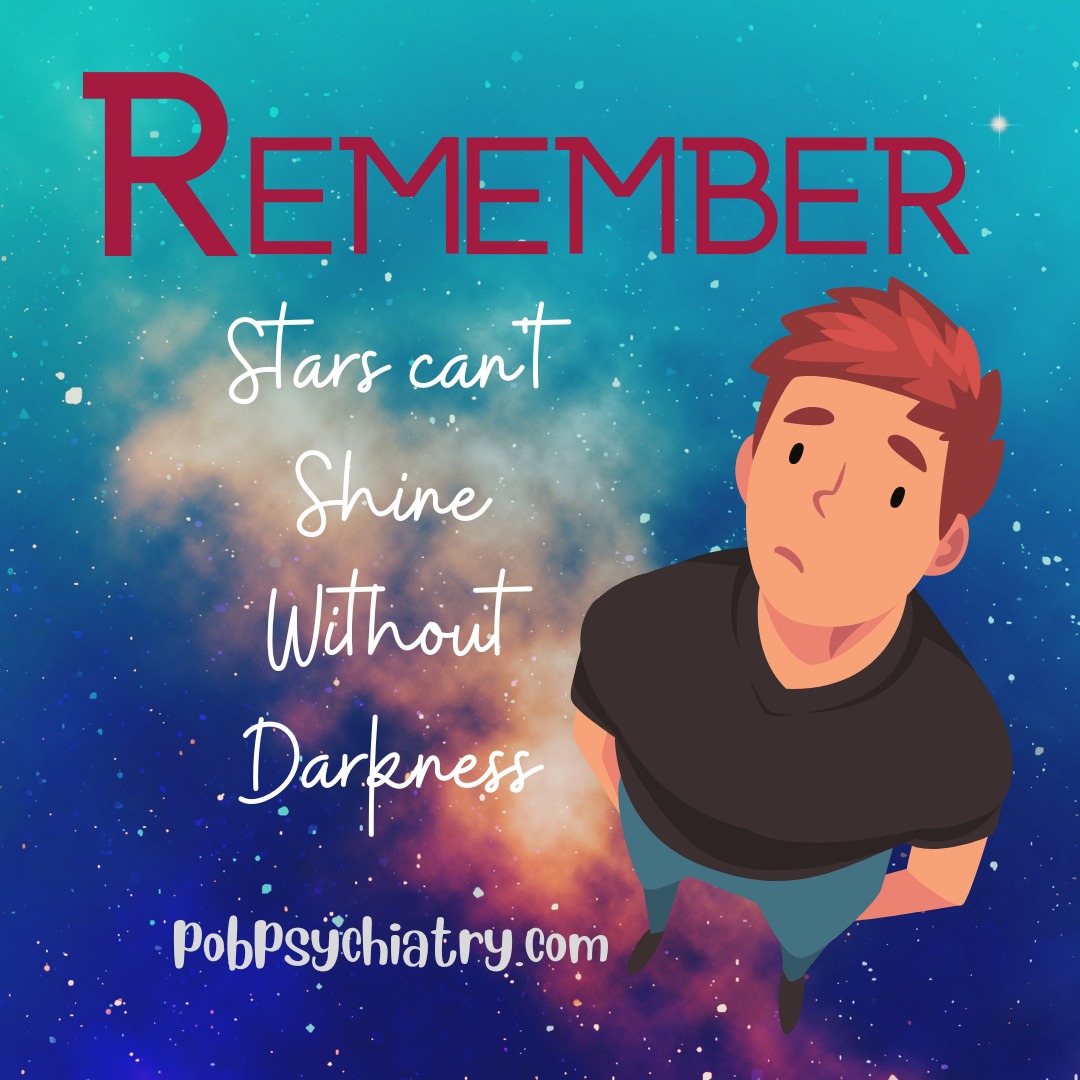
Stars Can’t Shine Without Darkness is a phrase meaning that conveys the idea that without experiencing bad things, you wouldn’t be able to appreciate the good things in life. Only when you are going through difficult times, do you realize your true potential. Life doesn’t end; rather, it just starts over.
Tragedies do occasionally happen in life. Your world often comes crashing down just when you think everything is going great. However, the best way to view these difficult times is to realize that there are only new beginnings, not endings.
In this universe, everything has its opposite everywhere you turn. However, bad things that happen to you always give you a chance to improve, change, and grow.
Restoring mental health is not easy. To restore is to bring back or go back to a previous state. We are constantly reminded that the effects of the current world situation on our mental health are extensive and different for each individual.
You will learn in this video how to restore your mental health, which is why it is helpful. In our lives, mental health is extremely important. It’s because mental health affects the health of the rest of the body.